
Home Insights Export Readiness
Buyer checklist
What buyers should verify before a Tunisian EVOO quote
Before you ask for a Tunisian extra virgin olive oil quote, lock destination grade language, packing, window, and which official pages you will verify — not a crop name alone.
11 min · 2,050 words
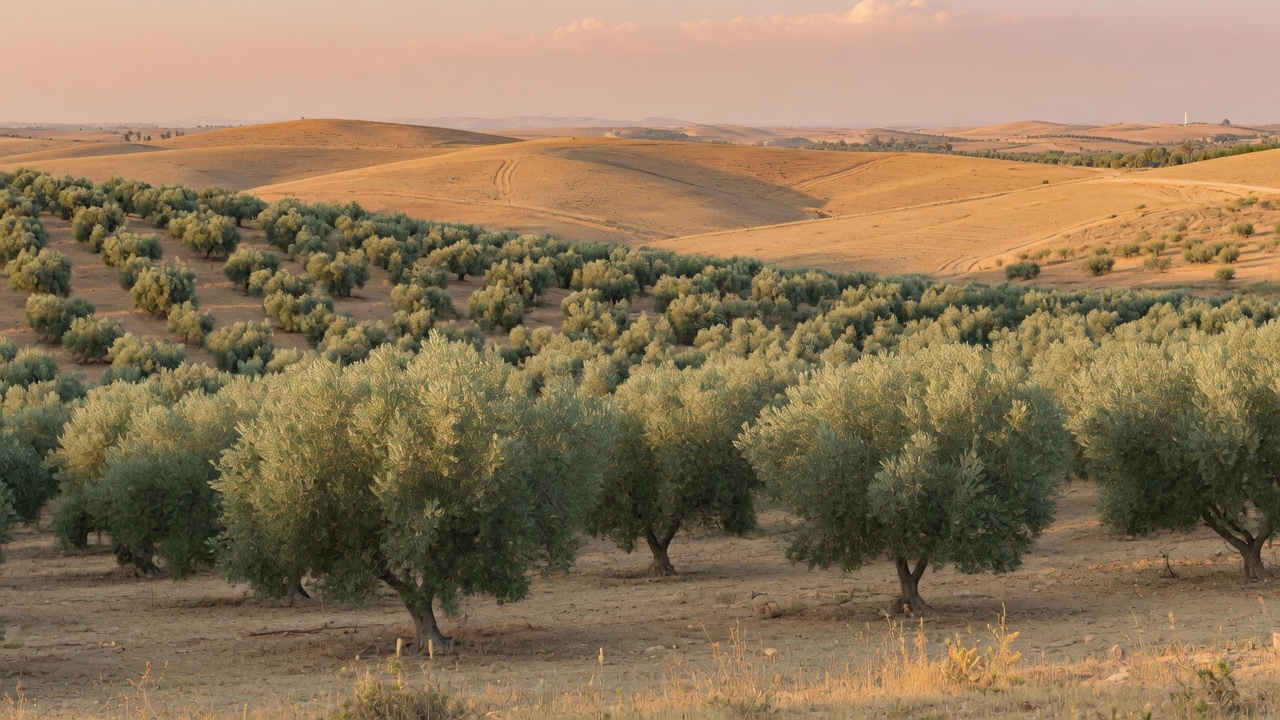
What should you verify before a Tunisian EVOO quote?
In 2026, a serious Tunisian extra virgin olive oil (EVOO) enquiry still fails for the same quiet reasons: the buyer sends a crop name, a vague “export quality” line, and a hoped-for price — without grade language, packing form, destination rules, or a document list. Third Eye Agro treats that as incomplete, not rude. A quote without a brief is fiction.
This checklist is for importers, packers, and private-label teams who want a clean first exchange on Tunisia olives. It uses national and standards context only. It does not invent TEA lot books, container counts, or street prices. Confirm actual lots, analyses, and Incoterms per enquiry via /inquiry.
Key takeaways
- Lock grade language (EVOO vs virgin vs lampante intent) before price talk.
- State packing form: bulk, drums, IBC, or bottled — switching later resets the brief.
- Name destination market and any private label / retailer spec you must hit.
- List documents you will require (analysis, origin statement, packing list shape).
- Use FAO/IOC/Codex as national context — never as a substitute for lot COAs.
Why do olive RFQs stall after the first email?
In practice, stalls start when “EVOO” is used as a marketing adjective instead of a graded claim. Destination labs and retailers do not share one informal definition. If your brief cannot say what will be measured, on which reference, and who pays for disputes, the desk cannot price risk.
A second failure mode is packing ambiguity. Bulk-for-repack and finished retail bottles are different products operationally: filling, labelling, photo standards, and liability differ. Write the form first. Then talk cost. Related reading: bulk vs bottled Tunisian olive oil export and origin brief before an olive or mango RFQ.
How should grade language be written in the brief?
Write the commercial grade you will put on paperwork and labels — not a vibe. If you need extra virgin, say so and state whether you will require a recent chemical/sensory package against a named method set. If you only need virgin or a blend for industrial use, say that too. Ambiguity gets filled by the most expensive assumption.
International olive oil trade conversations often reference International Olive Council (IOC) and Codex-aligned grade language as shared vocabulary. Treat those as context for how markets talk — your contract still needs lot-level results. Start origin framing on /countries/tunisia and product context on /products.
What packing and window details change the quote?
| Brief field | Why it matters | Example precision |
|---|---|---|
| Packing form | Filling, freight, liability | Bulk / drum / IBC / bottle |
| Unit volume | Line and freight planning | e.g. bottle size class |
| Label / private label | Artwork and compliance path | Yes/no + market |
| Ship window | Harvest and stock reality | Month range, not “ASAP” only |
| Destination | Import rules and testing culture | Country + entry path if known |
If the window is flexible, say so. If it is fixed to a retail launch, say so. Harvest and packing calendars do not care about your internal slide deck. Quality posture on this site lives at /quality.
Which documents should you list up front?
- Commercial grade claim you will print or invoice.
- Analysis package you will accept (parameters + who samples).
- Origin / traceability statement shape you need.
- Packing list and lot identity expectations.
- Any retailer or private standard beyond baseline food law.
How to use FAO, IOC, and Codex without fooling yourself
National production and trade statistics from FAO and grade frameworks associated with IOC/Codex help you understand the category. They do not prove the drum on the floor. Buyers who paste a national tonnage figure into an RFQ as if it were a reserved lot create false urgency and false comfort.
For Tunisia origin context and product framing on this site, start from /countries/tunisia, /products, and /quality. Then send a brief to /inquiry.
What this article will not invent
- No TEA harvest volumes, prices, or container counts.
- No default organic / BRC / GlobalG.A.P. claims.
- No Sri Lanka olive supply stories — that origin is not positioned as olive/mango active supply here.
- No Incoterms until both sides name them in the exchange.
How to send a brief that gets a real answer
Use the origin-brief pattern: crop + origin (Tunisia olives), form, destination, packing, window, grade language, documents, and constraints. Email trade via the site contact paths or /inquiry. If something is still unknown, label it unknown — do not paper over it with a number.
The dull checklist is the product. Price without it is theatre. If the brief is complete and the lot path is real, the desk can answer. If not, expect clarifying questions before any number.
Frequently asked questions
Can you quote Tunisian EVOO from a crop name alone?
No. Without grade language, packing form, destination, and document expectations, a quote is not operational. Send a short origin brief first.
Do FAO or IOC figures guarantee my lot?
No. They are national or standards context. Lot acceptance needs agreed analyses and paperwork on the actual goods.
Bulk or bottled — which should I choose first?
Choose based on your repack capability and retailer path. Bulk-for-repack and finished bottles are different operational products; lock form before price wars.
What if I need a named certification scheme?
Put the scheme in the brief. We confirm per lot and enquiry rather than advertising a default menu of certificates on every shipment.
Where do I read related TEA guidance?
See the origin-brief insight, bulk-vs-bottled Tunisian EVOO insight, /countries/tunisia, /products, /quality, then /inquiry.
Official sources (verify on the live page)
Re-fetched 24 August 2026. If an official page has moved or been revised, that page is the source — not this article.
- International Olive Council — home — International Olive Council. Grade vocabulary context for commercial olive oil discussions
- Codex Alimentarius standards list — FAO/WHO Codex. International food standard context; not a lot COA
- FAO home — Food and Agriculture Organization of the United Nations. National/category context only — not TEA inventory
- Third Eye Agro — Tunisia origin — Third Eye Agro. On-site origin and enquiry paths
Send the origin brief
Olives from Tunisia or mangoes from Tanzania. Name form, destination, specification and window. We answer what we can actually offer this season.