
Home Insights Export Readiness
Origin brief
Origin brief before an olive or mango RFQ
A crop name is not an enquiry. Before we answer an olive (Tunisia) or mango (Tanzania) RFQ, we need a short origin brief: form, destination specification, packing, window — and which official pages you will verify.
9 min · 1,840 words
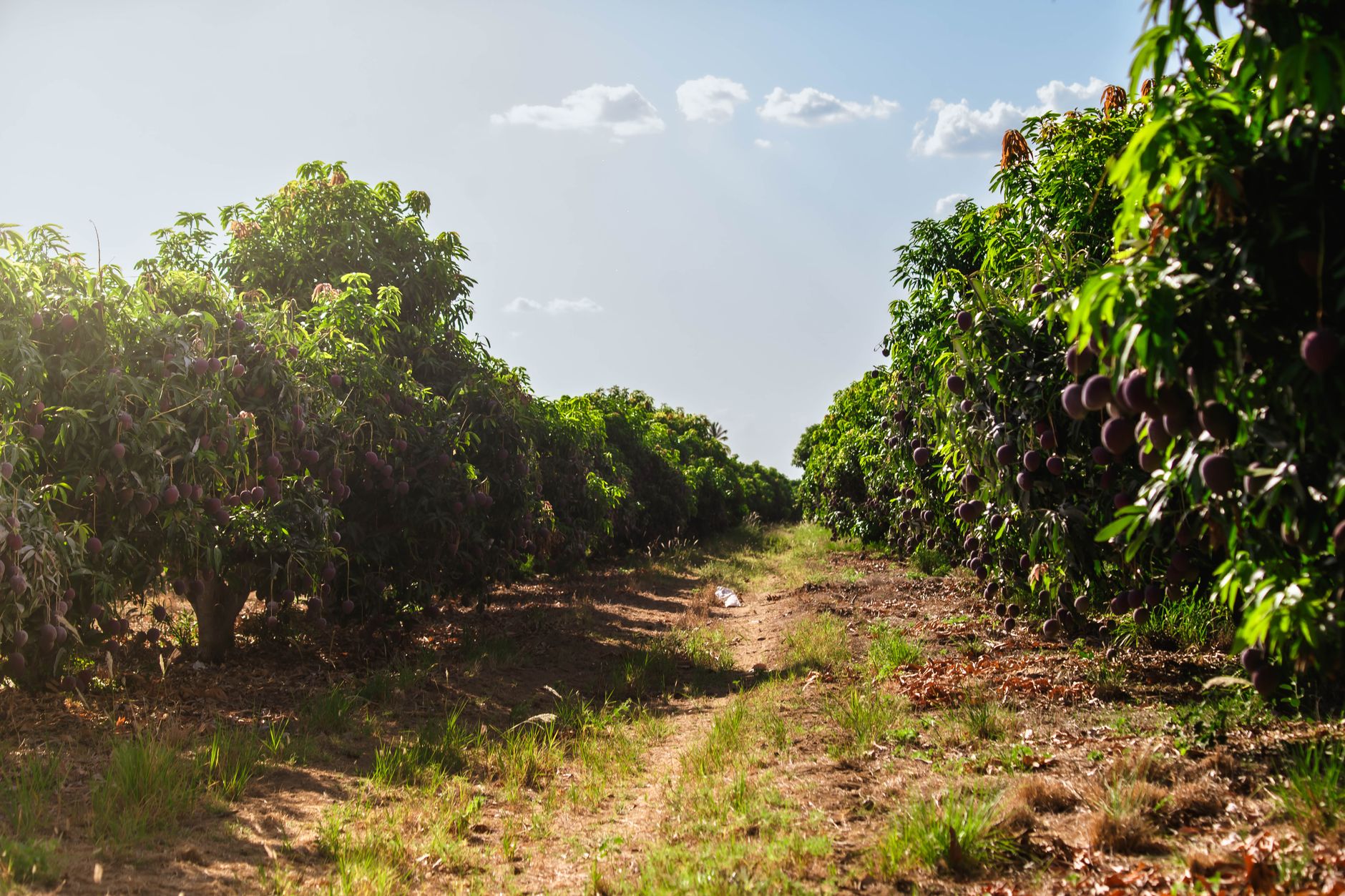
An olive or mango RFQ starts with origin, not a crop name
An origin brief before an olive or mango RFQ is the short buyer note that lets a trade desk decide whether to quote, ask one clarification, or decline the enquiry tonight. For olives we work from Tunisia. For mangoes we work from Tanzania. Sri Lanka is an exploring origin on this site for other crops — it is not an olive or mango supply we will invent to fill a form. Name the form of the goods, the destination, the specification language you will hold us to, the packing that must survive the voyage, and the window you actually need. We answer from what is true at origin this season. We do not invent harvest volumes, certifications, geographical-indication numbers, prices, or a street address to make a quotation look complete.
If those fields are empty, we will ask for them. That is slower for you than writing them once. The brief is the enquiry. A one-line “quote olives / quote mangoes” is not.
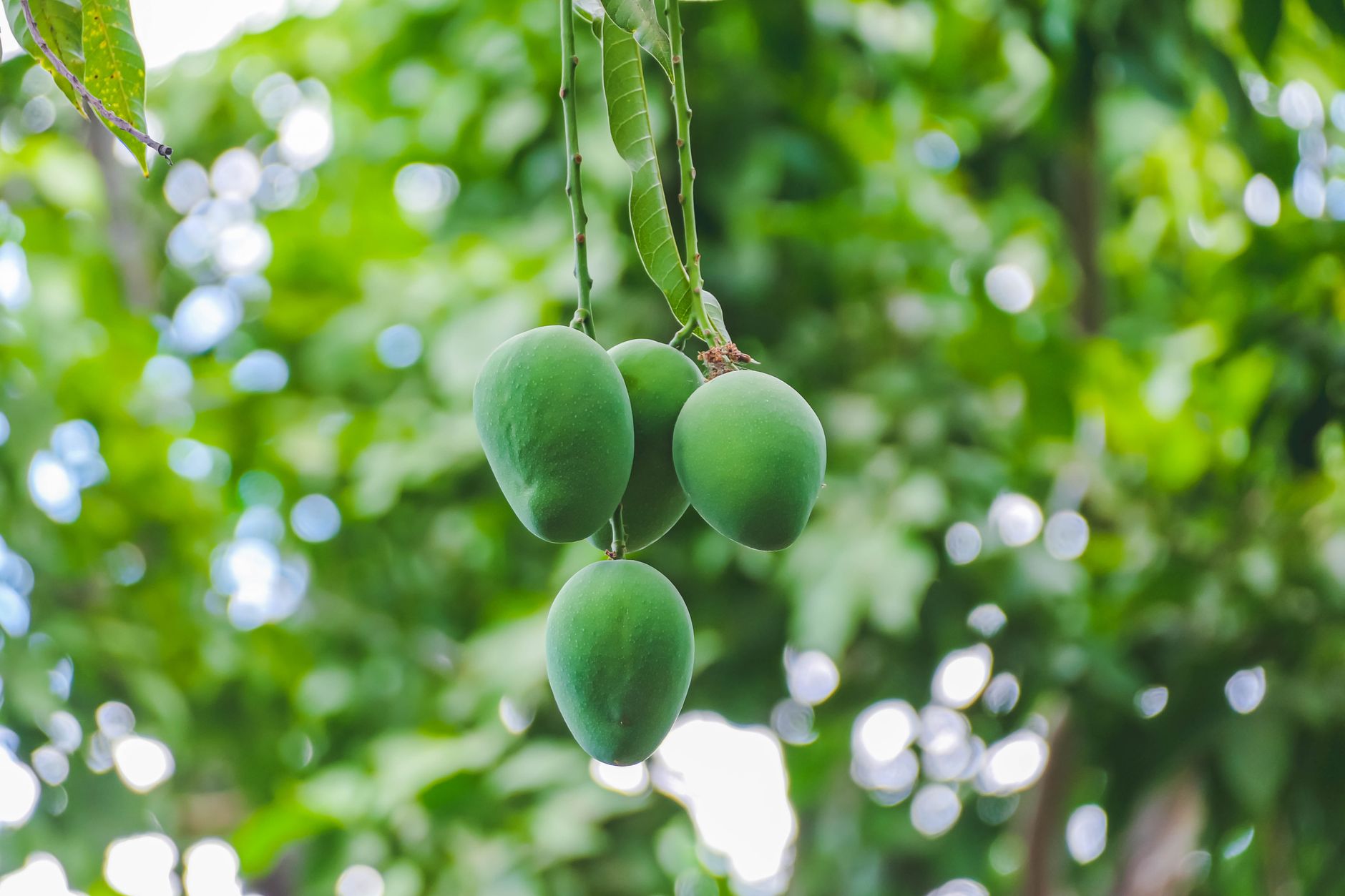
What to take from this page
- Olives: Tunisia (active). Mangoes: Tanzania (active). Sri Lanka: exploring other crops — not a third olive or mango origin on this site.
- Use public specification language buyers already share: Codex CXS 66-1981 for table olives, CXS 33-1981 for olive oils, CXS 184-1993 for fresh mangoes. Verify the current text on the Codex pages, not on this article.
- FAO’s public Tunisia olive story is useful context (land under olives, export role, bulk versus packaged oil, Chetoui and Chemlali named as local varieties). It is not our production record.
- Tanzania’s official Trade Portal lists a phytosanitary certificate among export procedures for plant products. Destination rules sit with the importing country. We do not issue that certificate from this website.
- Write the brief to [email protected] or through https://thirdeyeagro.com/inquiry. Availability is confirmed per season and per enquiry.
Speakable definition
An origin brief is a short, written statement a buyer sends before asking for a quotation on olives from Tunisia or mangoes from Tanzania. It names crop form, destination, the official specification to verify, packing, and the delivery window. It is not a price list, a certificate, or a promise of volume.
We quote from the grove, the collection point and the packing line — not from a crop name typed into a form.
The skip, ask or quote rule tonight
Use this decision rule before sending the RFQ. Quote only when the crop, origin, specification, packing, destination and window are all named. Ask once when one field is missing. Skip or decline when the enquiry asks us to invent an origin, certificate, volume, price or Sri Lanka olive/mango offer.
| RFQ line received | Trade-desk action tonight | Why it protects the shipment |
|---|---|---|
| “Olives, best price, any origin” | Ask for form, Tunisia confirmation, table-olive or oil standard, packing and window. | A crop word is not enough to match Codex class, preparation, bulk/retail packing or harvest timing. |
| “Tunisia table olives, green, whole, First category accepted, 10 kg bulk, France, October window” | Quote or confirm availability if the season and documents can support it. | Origin, form, class, style, packing, destination and timing are testable. |
| “Fresh Tanzania mangoes, Class I, size B, air shipment, Gulf destination, week 38” | Quote or ask only destination-rule details if phytosanitary or residue requirements are not attached. | Codex size and class language is clear enough to start a lot search and document check. |
| “Sri Lanka mangoes or olives, whatever is easier” | Decline this RFQ as written and redirect to a separate Sri Lanka crop enquiry only if the crop is actually listed as exploring. | This site does not present Sri Lanka as an olive or mango origin. Inventing one would create a false quote. |
| “Need certified organic / BRC / GlobalG.A.P. supply, urgent” | Ask for the required scheme and destination; decline if the origin cannot prove it this season. | Third Eye Agro does not claim those certifications on this site, and a web article cannot create them. |
The six fields a receiving desk writes before it answers
An origin brief is a receiving document. Write the crop form, the origin you actually mean, the destination specification, the packing that must survive the voyage, the window you need, and the official page you will verify. Olives are Tunisia. Mangoes are Tanzania. Sri Lanka is not a third olive or mango origin on this site. Codex CXS 66-1981, CXS 33-1981 and CXS 184-1993 are the public language buyers already share — verify the current text on the Codex pages, not on this article. FAO’s Tunisia olive story and the Tanzania Trade Portal phytosanitary procedure are context and procedure, not our harvest book and not a certificate we issue from a web form. We still will not invent harvest volumes, prices, GI numbers, or a street address to make a quotation look complete.
- Form: fresh olives, table olives, oil, fresh mangoes, or processing fruit. “Olives” or “mangoes” alone is not a form.
- Origin: Tunisia for olives, Tanzania for mangoes. Do not mix Sri Lanka into this RFQ.
- Specification: name the Codex class, type or size you will accept, and attach the destination residue or carton rule if you have one.
- Packing: bulk versus consumer units; temperature handling for mangoes. FAO notes that much Tunisian oil has moved in bulk — a bottled programme is a different brief.
- Window: a week or a harvest month, not ASAP. Post-harvest hours matter more than a slogan.
- Verify-on: the official Codex, FAO, IOC or .go.tz page you will actually open if the file is challenged.
Why the brief comes first
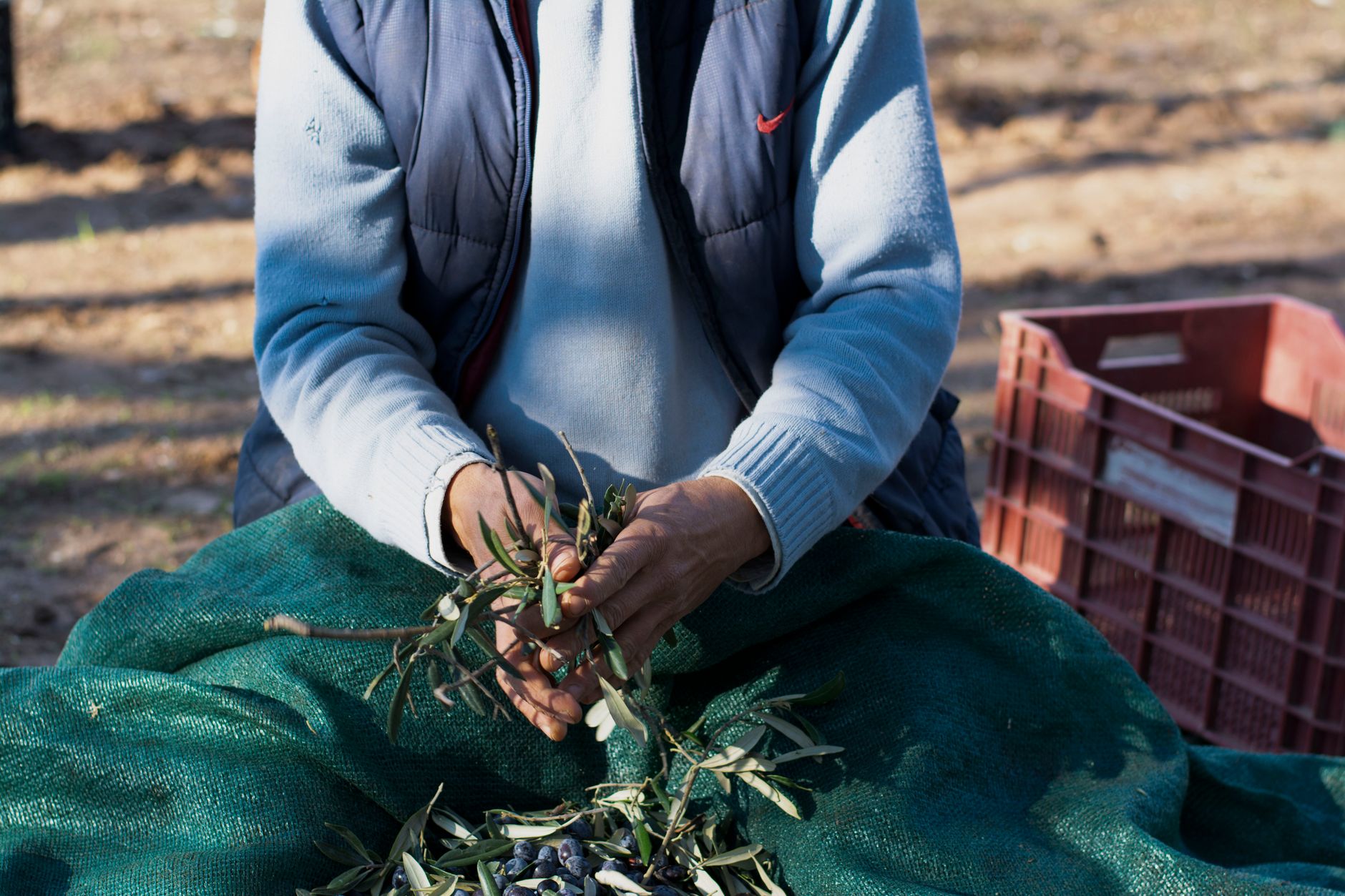
Olives and mangoes fail in different places. Olives lose quality between grove, collection and mill if harvest and transport drift. FAO’s public Tunisia feature puts the same chain in official language: cultivation and harvesting technique, timely transport, then processing, storage and packaging — and it notes that buyer-side food-safety certification is often what opens a destination, not a variety name alone. That is why an olive RFQ that says only “EVOO, any origin” cannot be answered honestly from Tunisia.
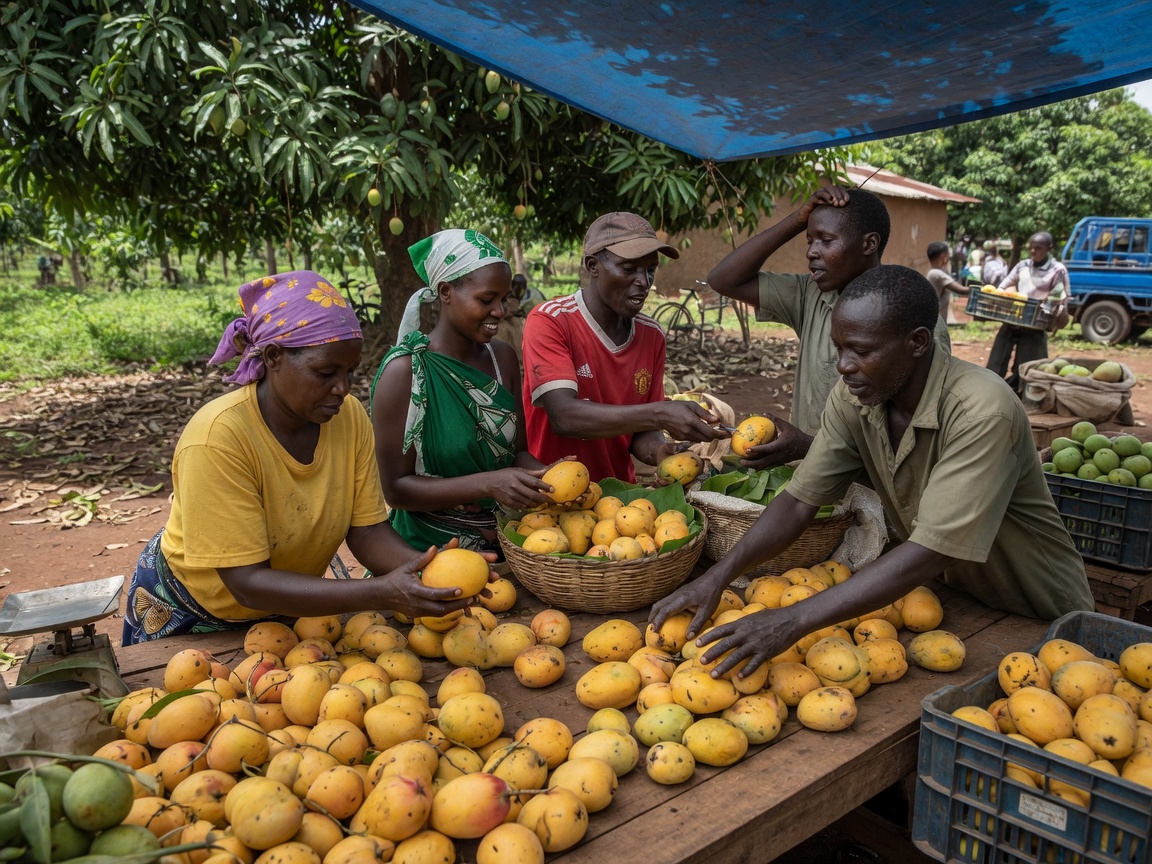
Mangoes lose the shipment in the first days after picking if class, size, ripeness and packaging are not named. Codex CXS 184-1993 is written for fresh mangoes supplied to the consumer after preparation and packaging. It asks for fruit that is whole, sound, clean, firm, and developed enough to finish ripening and to withstand transport. It also splits Extra, Class I and Class II, and sizes fruit by weight codes A, B and C. If your RFQ skips class and size, we are guessing which fruit you will reject on arrival.
Tunisia — olives
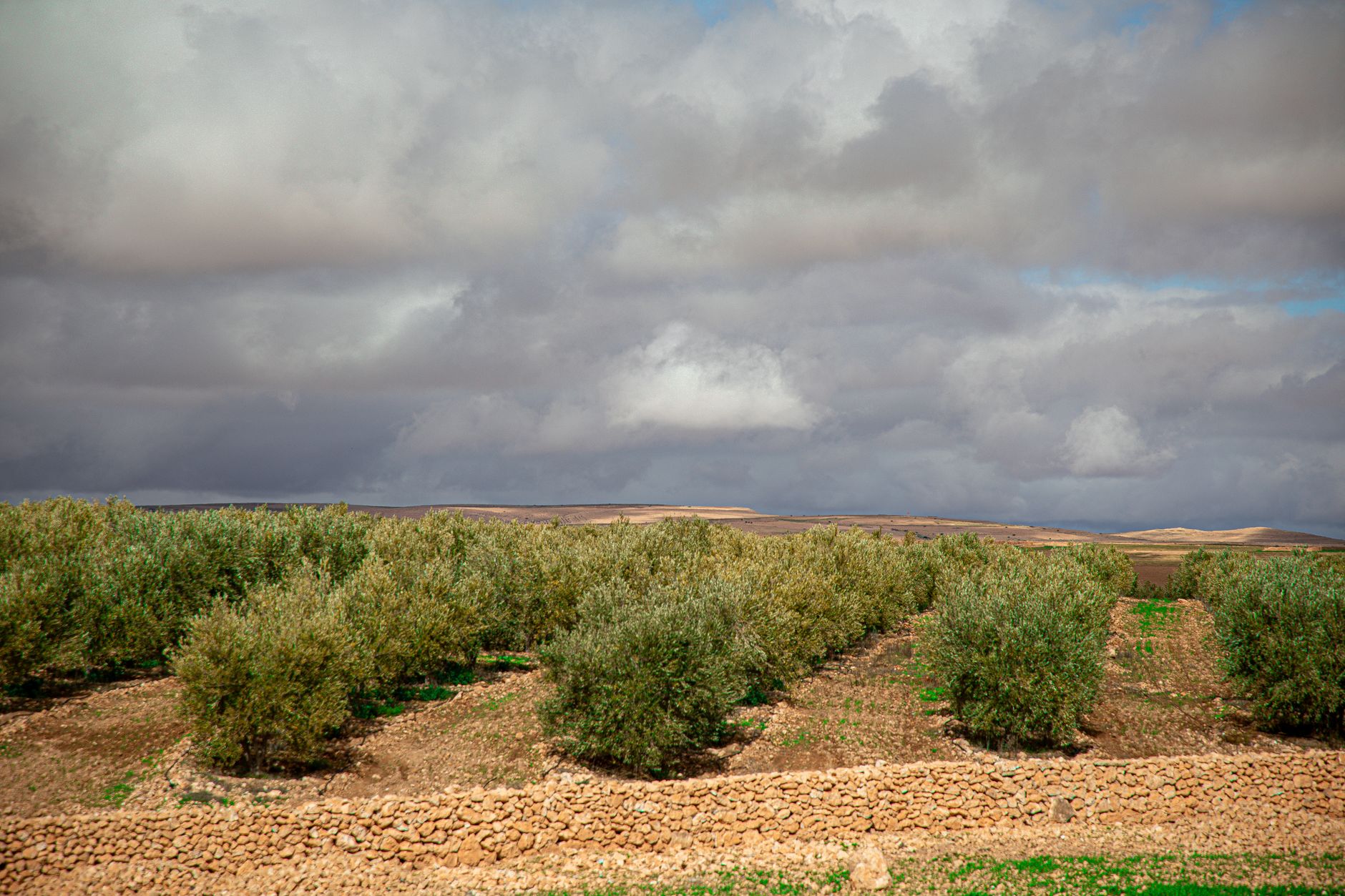
On this site Tunisia is the active olive origin. FAO’s story, fetched for this article, states that olive groves cover about a third of Tunisia’s arable land, that Tunisia ranks among the leading olive-oil exporters, and that most of that oil has historically moved in bulk rather than under a bottled brand. The same page names Chetoui and Chemlali as local varieties used in high-quality oil. Those are FAO sentences. They are not our harvest book, our mill list, or a claim that we hold a named certification.
The International Olive Council, on a 20 February 2025 note we fetched, records Tunisia as a founding member that takes part in the Advisory Committee on Olive Oil and Table Olives, and describes IOC work with Tunisia on standardisation, research, promotion and sensory assessment. Use that page to understand the intergovernmental frame. Do not read it as a Third Eye Agro certificate, a GI number, or a volume we can ship next month.
If you want table olives, the public language is Codex CXS 66-1981 (amended through 2024 on the Codex standards list). It applies to treated fruit of Olea europaea L. offered for direct consumption, including bulk packed for later retail fill. It distinguishes green olives, olives turning colour and black olives, and optional trade categories Extra / First / Second. If you want olive oil rather than fruit, the companion public text is Codex CXS 33-1981, Standard for Olive Oils and Olive Pomace Oils. On our product pages olive oil is still exploring — we will not pretend a CXS 33 grade is in the warehouse because an RFQ asked for it.
Olive fields we need
- Form: fresh olives, bulk olive products, table olives, or oil. Say which. Do not write “olives” alone.
- Preparation if table olives: type (green / turning colour / black) and style (whole, stoned, stuffed, or other) in the sense of CXS 66. Verify the current definitions on the Codex PDF.
- If oil: the CXS 33 designation you will test against. We confirm only what we can source this season.
- Destination market and the documents that market will actually ask for. We do not invent licences.
- Packing and whether you need bulk or consumer units. FAO notes that much Tunisian oil has moved in bulk; a bottled programme is a different brief.
- Window. Harvest and mill calendars move with the season. We will not print a fake month to fill your cell.
Tanzania — mangoes
On this site Tanzania is the active mango origin. Codex CXS 184-1993 (amended 2005; still listed on the Codex standards page we fetched) applies to commercial varieties of Mangifera indica L. supplied fresh after preparation and packaging. Industrial processing fruit is out of scope of that standard. Minimum requirements include whole, sound, clean, practically free of pest damage and foreign matter, free of marked bruising and black necrotic stains, firm, and sufficiently developed. Size is by weight: code A 200–350 g, B 351–550 g, C 551–800 g, with a stated minimum of 200 g. Each package must be uniform in origin, variety, quality and size, and non-retail marks must include country of origin.
That is the shared language. It is not a promise that a given Tanzania lot already sits in Extra class at a named count. Class and size are what you ask us to look for. We confirm against fruit we can actually assemble.
Plant-product export from Tanzania is not only a commercial conversation. The official Tanzania Trade Portal — managed by the Tanzania Trade Development Authority (TanTrade) under the National Trade Facilitation Committee — lists a phytosanitary certificate among export procedures. Read the live.go.tz procedure for who issues it, what a consignment must show, and which destination rules apply. We will not invent a certificate number, a pest-list clearance, or an air/sea slot on this page.
Mango fields we need
- Form: fresh fruit for the consumer (CXS 184 scope) versus fruit for processing (outside that standard).
- Class you will accept: Extra, I or II, in the current Codex wording.
- Size code or weight range, and whether mixed sizes in one carton are acceptable. Codex requires uniformity unless you contract something else.
- Variety if you have one. If you do not, say so; do not let us guess a name you will later reject.
- Destination and the phytosanitary rules of that destination. Name the market; we will not treat “export” as a specification.
- Packing, temperature handling, and the week you need fruit — not “ASAP.” Post-harvest hours matter more than a slogan.
Sri Lanka is not this RFQ
Sri Lanka is the third origin on this site. Its status here is exploring: other crops under feasibility, not a live olive grove or mango programme we will quietly add to an olive or mango RFQ. If your brief is olives or mangoes, write Tunisia or Tanzania. If you are looking at Sri Lanka crops that the site already labels as exploring, say that on a separate enquiry. Mixing the three countries into one “any origin, any fruit” line wastes a week.
What we will not invent
- Harvest volumes, yields, tree counts, or “we can do X containers.” FAO and others publish national figures that move with climate; those are theirs to update. Ours are confirmed per season.
- Certifications we have not achieved. This site does not claim HACCP, GlobalG.A.P., BRCGS, ISO 22000, organic or fairtrade. FAO’s Tunisia story discusses BRC as a buyer-side door, not as our certificate.
- Geographical-indication numbers, appellations, or IOC panel recognition as if they were ours.
- Prices, Incoterms we have not agreed, or a street address. Trade mail is [email protected].
- A Sri Lanka olive or mango offer invented to look like a third quote.
How to send the brief
Write to [email protected] or use the trade enquiry form. Put the crop and origin in the subject. Paste the fields above. Attach the specification you will test against — a Codex class, a destination residue list, a carton drawing — rather than a marketing adjective. We reply with what we can actually offer this season, including a no when the honest answer is no.
Frequently asked questions
Can you quote olives or mangoes from Sri Lanka?
Not on the terms this site publishes. Sri Lanka is exploring other crops. Olive RFQs are Tunisia. Mango RFQs are Tanzania. Ask separately if you want a Sri Lanka crop the site already marks as exploring.
Which official standard should I name for table olives or mangoes?
Table olives: Codex CXS 66-1981. Olive oils: Codex CXS 33-1981. Fresh mangoes: Codex CXS 184-1993. Open the current Codex text and name the class, type or size you will accept. Naming the number without the class still leaves the RFQ incomplete.
Do you hold BRC, GlobalG.A.P. or an IOC recognition we can put on the PO?
No certificate is claimed on this site. FAO’s Tunisia olive story discusses buyer-required certification as a market door for some exporters. That is context, not our paperwork. If a destination requires a named scheme, say so in the brief; we will say whether we can meet it or not.
Who issues a phytosanitary certificate for Tanzania mangoes?
The official Tanzania Trade Portal lists the phytosanitary certificate as an export procedure for plant products. Confirm the issuer, the consignment steps and the destination rules on the live.go.tz page. We do not issue that document from a web form.
Where do I send the origin brief?
Email [email protected] or the inquiry page at https://thirdeyeagro.com/inquiry. We confirm availability per season and per enquiry. We will not publish a price or a volume on this page.
Official sources (verify on the live page)
Re-fetched 24 August 2026. If an official page has moved or been revised, that page is the source — not this article.
- Turning Tunisia’s magnificent olives into liquid gold — FAO Newsroom. Arable-land share under olives; export rank; bulk versus packaged oil; Chetoui and Chemlali named; quality from field to shelf; certification as a buyer-side requirement. Re-fetched 24 Aug 2026. National FAO figures are not Third Eye Agro volumes.
- Standard for Table Olives (CXS 66-1981) — Codex Alimentarius (FAO/WHO). Scope (Olea europaea L., direct consumption, including bulk for later retail); types (green / turning colour / black); optional Extra / First / Second categories; styles. Re-fetched 24 Aug 2026. Confirm amendments on the live Codex list (page shows 2024).
- Standard for Mangoes (CXS 184-1993) — Codex Alimentarius (FAO/WHO). Fresh Mangifera indica L. after preparation and packaging; minimum quality; Extra / I / II; size codes A–C by weight; origin marking; processing fruit excluded. Re-fetched 24 Aug 2026.
- Codex Texts — list of standards — Codex Alimentarius (FAO/WHO). Confirms CXS 66-1981 (table olives, listed 2024), CXS 33-1981 (olive oils and olive pomace oils, listed 2024) and CXS 184-1993 (mangoes, listed 2005) as current catalogue entries. Re-fetched 24 Aug 2026.
- Tanzania Trade Portal — phytosanitary certificate procedure — TanTrade / National Trade Facilitation Committee (.go.tz). Official .go.tz trade portal listing the phytosanitary certificate among export procedures for plant products. Re-fetched 24 Aug 2026. Verify current steps and issuer wording on the live portal.
- Strengthening IOC–Tunisia cooperation — International Olive Council. Tunisia as a founding IOC member; participation in the Advisory Committee on Olive Oil and Table Olives; standardisation, research, promotion and sensory-assessment cooperation. Dated 20 Feb 2025; re-fetched 24 Aug 2026. Not a Third Eye Agro credential.
Send the origin brief
Olives from Tunisia or mangoes from Tanzania. Name form, destination, specification and window. We answer what we can actually offer this season.